Dual Language
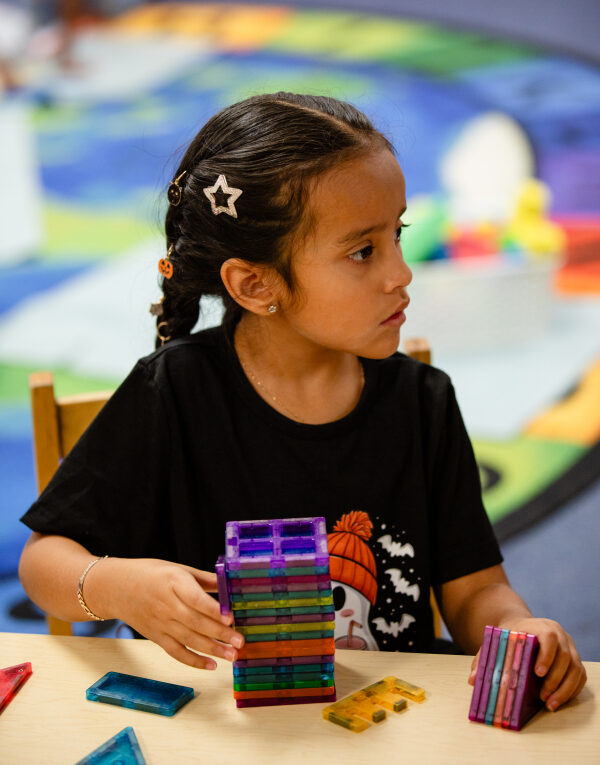
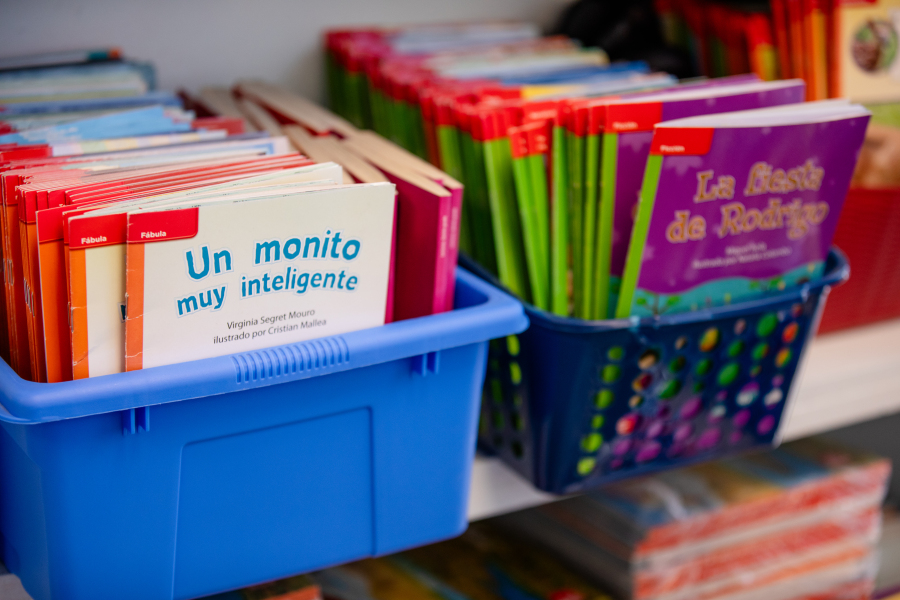
An optional English/Spanish dual immersion program helps students build language skills and cultural understanding.
One language sets you in a corridor for life. Two languages open every door along the way.
Frank Smith
At Monarch Montessori, families with children 15 months and older have the option to participate in an English/Spanish dual language program, designed to help students build bilingual skills while deepening cultural understanding and connection. Through immersive learning, children develop confidence communicating in both languages as part of their everyday educational experience.
Families that do not wish to participate in the Dual Programming can choose the English Programming and classes are taught entirely in English. About half of Monarch’s classes are in English and half are Dual. Note: After second grade, children must demonstrate Spanish language proficiency to enter the Dual Program.

Why Dual Language?
Research shows that bilingual education supports strong academic growth while also helping students develop communication skills, cultural awareness and cognitive flexibility. In Monarch’s dual immersion classrooms, students learn in a rich bilingual environment – with roughly half of students who are native English speakers and half who are native Spanish speakers – where children serve as language models for one another.
Students Benefit From:
- Increased confidence communicating in two languages.
- Stronger problem-solving and critical thinking skills.
- Greater cultural understanding and empathy.
- Real-world communication skills that support future success.
How the Dual Program Works
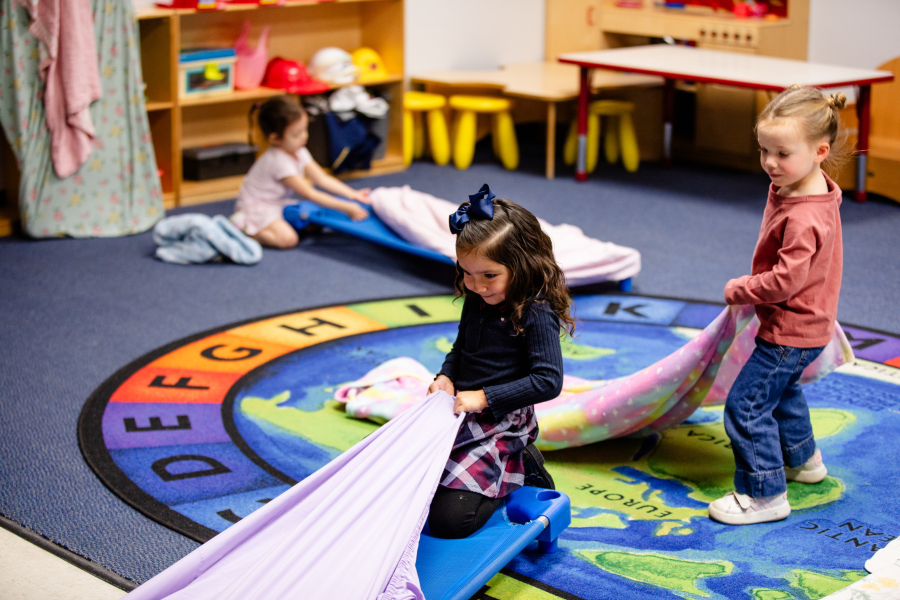
Toddler Program: One Teacher, One Language
In our Toddler classrooms, the One Teacher One Language (OTOL) model gives children consistent exposure to both English and Spanish throughout the day. Each teacher speaks one language, allowing students to naturally develop communication skills in both languages through play, routines and daily interactions. Children receive about 50% English and 50% Spanish instruction, building a strong bilingual foundation from an early age.
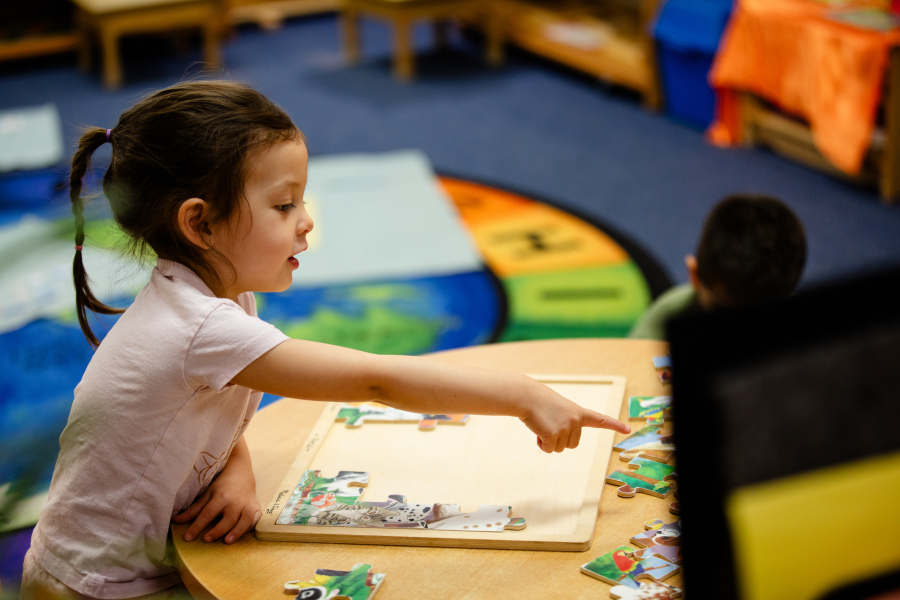
Children’s House: Language Immersion
Students continue their bilingual journey in our Children’s House Dual Language program, where about 90% of the day is conducted in Spanish and 10% in English. Classrooms are intentionally balanced between native Spanish and native English speakers, allowing students to learn from one another and grow together in an immersive, supportive environment. As students approach kindergarten, English instruction gradually increases through Specials and early literacy experiences.
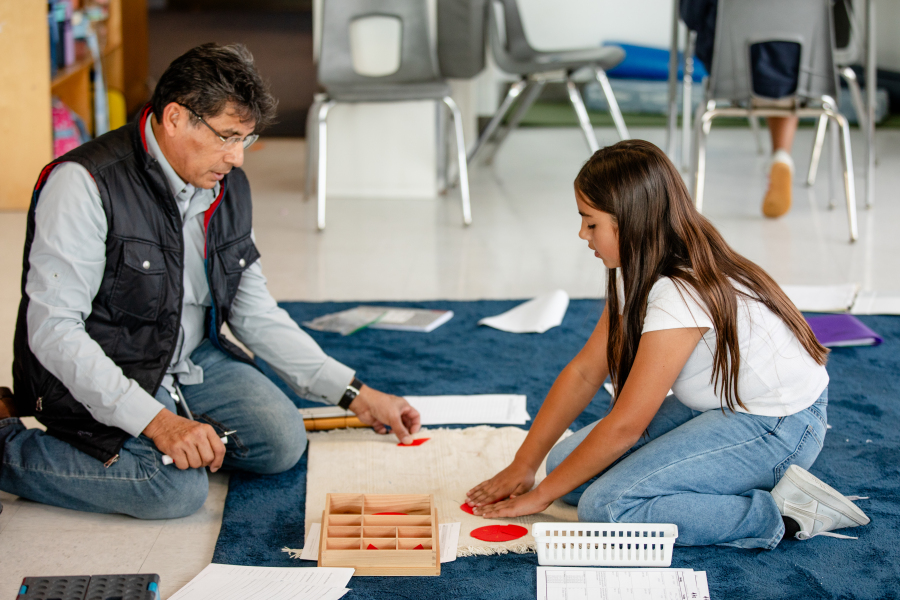
Elementary & Middle: Growing Toward Bilingualism
As students move into elementary and middle school, the amount of English instruction gradually increases while continuing to strengthen Spanish fluency and literacy. Lower Elementary students spend about 30% of their day learning in English, while Upper Elementary returns to a more balanced 50/50 model. By the time students complete the Dual Language Pathway, the goal is that students graduate fully bilingual and biliterate, equipped with strong academic and communication skills in both languages.
Important Considerations
This approach to language development, called the 90/10 model, is research based and extremely effective for both native Spanish speakers and native English speakers. However, it is a long-term commitment and is only recommended to families who intend to commit to it for the long term.
Montessori & Dual Language Learning
The Montessori philosophy and bilingual education work together naturally. Montessori classrooms encourage independence, curiosity, collaboration and communication – creating an ideal environment for language development.
Students learn through exploration and meaningful interaction, helping them build confidence using both languages in authentic ways. The hands-on Montessori approach also allows students to connect language with movement, materials and real-world experiences.